

What are the vibration - related issues of a spiral steel silo during operation?
Oct 28, 2026
Leave a message
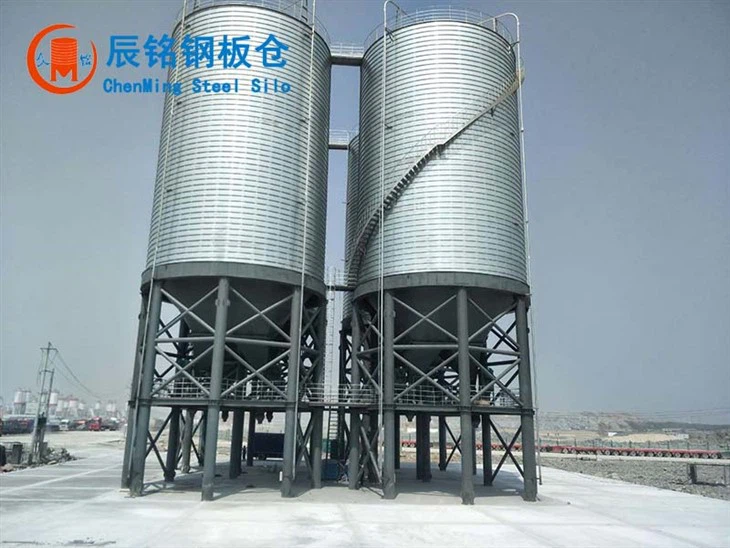
Vibration-related issues can pose significant challenges during the operation of spiral steel silos, which are crucial storage structures in various industries. As a leading supplier of spiral steel silos, we have encountered numerous cases and understand the importance of addressing these vibration concerns to ensure the safety, stability, and efficiency of the silos.
Sources of Vibration in Spiral Steel Silos
Material Flow
One of the primary sources of vibration in spiral steel silos is the material flow. When materials are loaded into or discharged from the silo, the impact and movement of the materials can induce vibrations. For example, during discharge, if the material flows unevenly or experiences a sudden blockage and then a rapid release, it can create strong dynamic forces. These forces are transferred to the silo structure, causing it to vibrate. The properties of the material, such as its density, particle size, and flowability, also play a crucial role. Coarse or sticky materials may cause more irregular flow patterns, leading to increased vibration levels.
Wind Loading
Wind is another significant factor contributing to silo vibration. The shape of spiral steel silos makes them susceptible to wind-induced vibrations. When wind blows against the silo, it creates pressure differences on the surface of the silo. These pressure differences can generate aerodynamic forces that cause the silo to vibrate. In addition, the natural frequency of the silo structure and the frequency of the wind-induced forces can interact. If the frequency of the wind forces matches the natural frequency of the silo, resonance can occur, resulting in extremely large vibration amplitudes that can potentially damage the silo structure.

Machinery Operation
Machinery associated with the silo, such as conveyors, pumps, and agitators, can also be a source of vibration. These machines generate mechanical vibrations during their operation, and if they are not properly isolated from the silo structure, these vibrations can be transferred to the silo. Over time, the continuous transfer of these vibrations can cause fatigue damage to the silo, reducing its service life and safety.
Consequences of Vibration
Structural Damage
Excessive vibration can lead to various forms of structural damage to the spiral steel silo. The repeated stress caused by vibration can cause cracks to develop in the silo walls. These cracks can propagate over time, compromising the integrity of the silo structure. In severe cases, the structural failure of the silo can occur, resulting in the leakage of stored materials and even the collapse of the silo. Moreover, vibration can also cause loosening of bolts and connections in the silo, which further weakens the structure.
Material Quality Issues
Vibration can also affect the quality of the stored materials. For example, in the case of cement silos Cement Silo, excessive vibration can cause the cement to segregate, resulting in non - uniform particle distribution. This can affect the performance of the cement when it is used in construction. In gypsum silos Gypsum Silo, vibration may cause the gypsum to compact unevenly, leading to difficulties in discharge and affecting the quality of the final gypsum products.
Operational Disruptions
High - level vibrations can disrupt the normal operation of the silo. The noise generated by the vibration can be a nuisance to the operators, and in some cases, the vibration can cause malfunctions of the monitoring and control systems installed on the silo. For example, sensors may give inaccurate readings due to the vibration, which can lead to improper operation and management of the silo.
Mitigation Measures
Structural Design
Proper structural design is the key to reducing vibration - related issues. The design of the silo should take into account the expected loads, including the weight of the stored materials, wind loads, and dynamic loads caused by material flow. Using appropriate structural elements, such as reinforcing ribs and stiffeners, can increase the stiffness and strength of the silo, reducing its susceptibility to vibration. The shape of the silo can also be optimized to reduce wind - induced vibrations. For example, a streamlined shape can reduce the aerodynamic drag and pressure differences on the silo surface.
Material Flow Control
Controlling the material flow can effectively reduce vibration caused by material movement. Installing flow - control devices, such as gates and valves, can ensure a more uniform and stable material flow. These devices can be adjusted to regulate the flow rate and prevent sudden changes in the material flow. In addition, using proper discharge methods, such as cone - flow discharge or mass - flow discharge, depending on the properties of the material, can also help to reduce vibration.
Vibration Isolation
Isolating the silo from external vibration sources is also an important measure. For machinery associated with the silo, vibration - isolation mounts can be installed to prevent the transfer of vibrations from the machines to the silo structure. These mounts are designed to absorb and dampen the vibrations, reducing their impact on the silo.
Monitoring and Maintenance
Regular monitoring of the silo's vibration levels is essential for early detection of potential problems. Vibration sensors can be installed on the silo to continuously measure the vibration amplitude and frequency. By analyzing the monitoring data, operators can identify abnormal vibration patterns and take timely measures to address the issues. Moreover, regular maintenance of the silo, including checking for loose connections, inspecting the integrity of the structure, and lubricating moving parts, can also help to prevent vibration - related problems.
Importance of Addressing Vibration for Our Customers
As a spiral steel silo supplier, we are committed to providing our customers with high - quality and reliable silo solutions. Addressing vibration - related issues is of utmost importance for our customers. By ensuring the stability and safety of the silos, we help our customers avoid costly structural damage and material losses. Our customers can focus on their production processes without worrying about the negative impacts of silo vibration on their operations.
For example, if a customer is using a kaolin silo Kaolin Silo in their ceramic production, a well - designed and vibration - free silo can ensure a consistent supply of high - quality kaolin, which is crucial for the quality of their ceramic products. In addition, reliable silos can also reduce the frequency of maintenance and repair, saving our customers time and money in the long run.
Conclusion
Vibration - related issues are a common concern during the operation of spiral steel silos. Understanding the sources and consequences of vibration and implementing appropriate mitigation measures are essential for ensuring the safety, stability, and efficiency of the silos. As a professional spiral steel silo supplier, we have the expertise and experience to design, manufacture, and install silos that can effectively withstand vibration challenges.
If you are in need of a spiral steel silo for your business, whether it is a cement silo, a gypsum silo, or a kaolin silo, we are here to provide you with customized solutions. Our team of experts will work closely with you to understand your specific requirements and ensure that the silo is designed and installed to meet the highest standards. We welcome you to contact us for further procurement discussions and look forward to establishing a long - term partnership with you.
References
- ASCE 110-17: American Society of Civil Engineers. Structural Design of Steel-Shelled Bulk Storage Bins.
- DIN 1055: German Standard for Actions on Structures.
- Rotter, J.M. "Design complexities in the structural design of steel silos." Journal of Constructional Steel Research 60.1 (2004): 21 - 56.